Clocking Out for Good: The Young Americans Turning Hobbies Into Careers — And Questioning Everything About It
The Resignation That Never Really Ended
Remember the Great Resignation? The media cycle moved on, but a lot of the people who quit never actually went back. Not to anything resembling what they left, anyway. Instead, something quieter — and honestly weirder — has been happening in its wake.
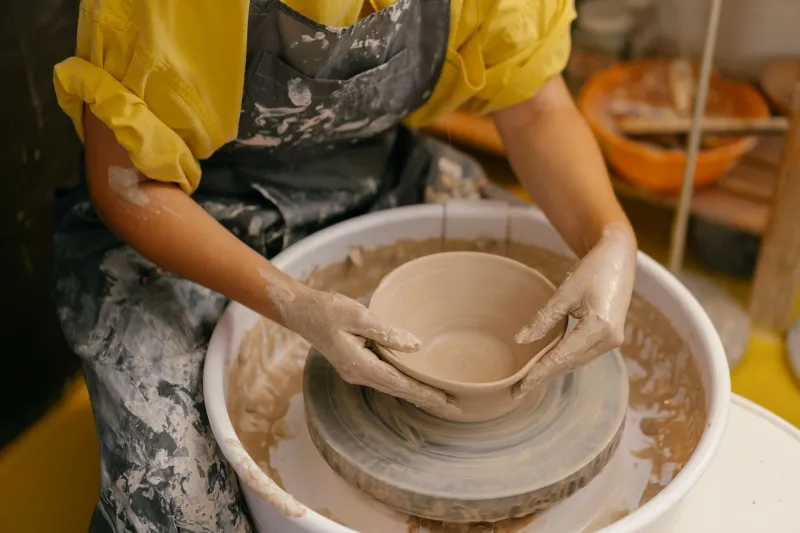
Across the country, young adults in their twenties and early thirties are trading badge swipes and Slack notifications for something harder to explain on a LinkedIn profile. We're talking about the ceramicist who used to work in fintech. The sourdough consultant who walked away from a marketing director title. The guy in Austin who now makes a living teaching office workers how to grow oyster mushrooms in their apartments. These aren't hobbyists dabbling on weekends anymore. They're building actual businesses — and some of them are pulling in more than they ever made at their desk jobs.
Call it the Skill Exodus. Call it the Passion Economy. Whatever you name it, it's reshaping how a generation thinks about work, identity, and what it means to actually be good at something.
What's Actually Driving This
The easy answer is burnout. And sure, burnout is part of it. Gen Z entered the workforce during a pandemic, spent formative career years working in isolation, and got handed a corporate culture that had already been hollowed out by decades of cost-cutting and performative productivity. Showing up to an office to sit on Zoom calls while pretending to care about quarterly KPIs was never exactly a dream scenario.
But the burnout explanation undersells what's actually going on. This isn't just people running away from bad jobs. A lot of them are running toward something specific — a version of work that feels tangible, skill-based, and genuinely theirs.
There's a meaningful difference between someone who quits because they're exhausted and someone who quits because they've realized they'd rather spend their days teaching people how to naturally dye fabric than answering to a brand manager who's never touched a loom. The first is a symptom. The second is a value shift.
And the economics, surprisingly, are working out for more people than you'd expect. Platforms like Substack, Etsy, Patreon, and a dozen others have lowered the barrier to monetizing niche expertise. If you can find an audience — even a small one — you can make a living in ways that simply didn't exist fifteen years ago.
The Niches Are Getting Very Niche
Here's where it gets genuinely fascinating. The skills people are monetizing aren't just the obvious creative ones — photography, graphic design, the stuff that's always had a freelance pipeline. We're talking about hyper-specific expertise that sounds almost too narrow to work.
Sourdough consulting is real. So is vintage denim restoration. Sustainable wardrobe auditing — where someone comes to your house, assesses your closet, and helps you build a more intentional fashion footprint — is a thing people charge $200 an hour for in cities like Portland and Brooklyn. There are foragers selling guided walks, fermentation coaches, and at least a handful of people making a living teaching the lost art of mending clothes.
What these all have in common is that they're skills that require actual practice, that can't be easily automated, and that tap into a broader cultural appetite for authenticity and craftsmanship. People are paying for these services not just because they want to learn something — they want to connect with someone who genuinely knows what they're doing. That's become rarer than it sounds.
But Let's Be Honest About the Downsides
This is where we have to slow down and ask the uncomfortable question: is this actually liberation, or is it just hustle culture with better aesthetics?
Because here's the thing about turning your passion into your job — it's still a job. The ceramicist still has to answer DMs at midnight. The sourdough consultant still has to invoice clients and deal with people who want a refund because their starter didn't survive the mail. The sustainable fashion designer still has to market herself, manage her inventory, and stress about whether this month's revenue covers rent.
There's also a privilege dimension that deserves more honesty than it usually gets. The people who can afford to walk away from a salary and spend two years building a niche skill-based business often have a financial cushion — family support, low-cost living situations, or savings from that corporate job they're so eager to leave behind. The narrative of "just follow your craft" lands very differently depending on your zip code and your safety net.
And then there's the identity question. A generation that was told to build a personal brand has, in many cases, fused their sense of self so completely with their work that quitting a job and starting a business doesn't actually change the underlying dynamic. You're still performing productivity. You're still optimizing for output. The loom is just more photogenic than the laptop.
So Is It Worth It?
For a lot of people, genuinely — yes. There's something real happening here that goes beyond trend pieces and TikTok aesthetics. When you talk to people who've made the jump, the thing they mention most isn't money or freedom in some abstract sense. It's that they feel competent in a way they didn't before. They know how to do something, they do it well, and people value it. That's a profoundly human need that a lot of office environments quietly crush.
The American work culture has spent decades telling people that real success looks like climbing a corporate ladder, and a generation raised on that message is now collectively shrugging and asking why. The Skill Exodus isn't just about jobs — it's about what we think a good life looks like, and who gets to define that.
But it's worth keeping the critical eye on. The aestheticization of craft, the Instagram-ready workshop, the newsletter about your sourdough journey — these can be genuine expressions of a new relationship with work, or they can be the same old anxiety about productivity dressed up in a more palatable costume.
The difference, probably, is whether you'd still do it if nobody was watching.
What Comes Next
The interesting question isn't whether this trend continues — it will. The platforms enabling it aren't going anywhere, and the cultural disillusionment with traditional employment isn't either. The more interesting question is what happens as the niche economy matures.
When sourdough consulting becomes a saturated market, when every city has seventeen sustainable wardrobe auditors, when the mushroom farming guy has fifty competitors — what then? Do people pivot back? Do they get more niche? Do they find ways to build actual sustainable livelihoods, or does the whole thing collapse under the weight of everyone trying to monetize the same artisanal impulse at once?
We don't have those answers yet. But watching how this generation navigates that tension — between genuine craft and market pressure, between authenticity and hustle — might tell us more about the future of American work than any labor report could.