Good Vibes Only: How 'Culture Fit' Became Corporate America's Excuse to Stop Hiring Smart People
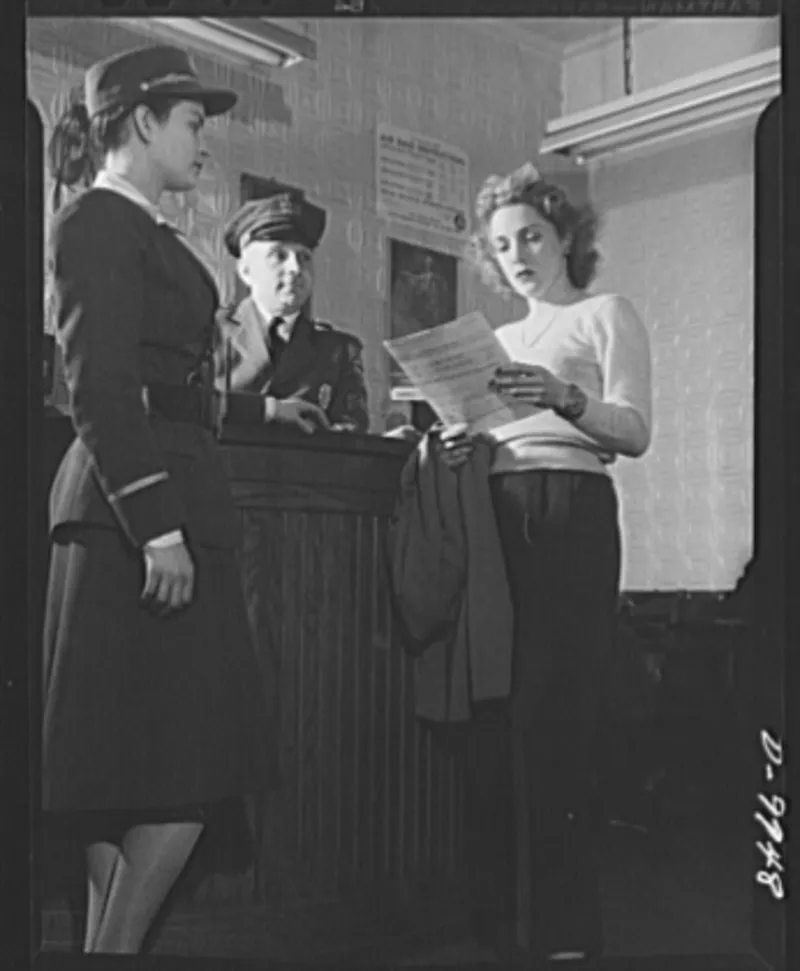
Photo: Ann Rosener, Public domain, via Wikimedia Commons
There's a specific kind of professional humiliation that only happens in a job interview. You've spent years mastering a skill — coding, financial modeling, supply chain logistics, whatever — and the person across the table from you spends most of the conversation asking about your "energy" and whether you consider yourself a "team-first person." You leave wondering if you were interviewing for a corporate role or a spot on a recreational volleyball squad.
This isn't a fringe experience anymore. It's practically the norm. And the more you dig into how American companies have restructured their hiring practices over the last decade, the harder it becomes to ignore what's actually happening: expertise is quietly being deprioritized, and personality has moved into the driver's seat.
When Did 'Culture Fit' Take Over Everything?
The shift didn't happen overnight. Through the 2010s, as Silicon Valley exported its startup ethos across every industry imaginable, a certain philosophy spread with it — the idea that the right "mindset" matters more than a specific skill set, because skills can be taught but attitude can't. On the surface, that sounds reasonable. Even kind of inspiring.
But somewhere along the way, it curdled. "Culture fit" stopped being shorthand for "will this person respect their coworkers" and started meaning something murkier — something closer to "will this person make us feel comfortable?" Interviews started centering on behavioral questions with no objectively correct answers. Hiring managers started talking about "gut feelings." Technical assessments got shorter, softer, or dropped entirely.
And now here we are, in an era where a genuinely brilliant candidate with rough social edges loses to a charming generalist who "just seemed like a good fit."
The Generalist Economy and Its Discontents
There's a version of this story where it all makes sense. Industries are changing fast — faster than any single skill can keep up with. A company that hires a hyper-specialized expert might find that expertise obsolete in three years. So why not hire adaptable, curious, people-savvy candidates who can pivot when the market demands it?
It's a real argument. And it's not entirely wrong.
But there's a cost that doesn't show up on the quarterly earnings report. When organizations systematically undervalue deep expertise, they gradually lose the institutional knowledge that makes complex things actually work. You end up with offices full of people who are great at collaborating on decks and terrible at solving hard problems. Everyone communicates beautifully. Nobody knows anything.
Talk to engineers who've been in the industry for 20 years and they'll tell you about the junior hires who can't debug their own code but absolutely crushed the "tell me about a time you overcame a challenge" round. Ask experienced accountants about the new analysts who learned Excel from a YouTube video but interviewed like they were gunning for a TED Talk. The pattern shows up across industries: likability as a proxy for competence, and competence increasingly left at the door.
The Bias Nobody Wants to Talk About
Here's where it gets uncomfortable. "Culture fit" has a well-documented history of functioning as a socially acceptable way to hire people who look, sound, and act like whoever's already in the room. Research has consistently shown that candidates from elite universities, predominantly white candidates, and candidates who mirror the interviewer's communication style tend to score higher on subjective "fit" assessments — regardless of their actual qualifications.
So the shift toward personality-based hiring isn't just an intellectual problem. It's an equity problem. When you deprioritize measurable skills in favor of vibes, you hand the advantage to people who've been socialized to perform professionalism in very specific, culturally coded ways. You make the hiring process less about what someone can do and more about how familiar they feel. That's not innovation. That's just bias with better branding.
Is Anyone Actually Pushing Back?
Some companies are. There's been a quiet counter-movement in tech and finance toward skills-based hiring — structured technical assessments, blind resume reviews, standardized interview rubrics designed to reduce the influence of interpersonal chemistry. A handful of major employers, including some federal agencies and large nonprofits, have dropped degree requirements entirely and replaced them with demonstrated competency tests.
And honestly? The early results are interesting. Companies that implemented structured, skills-first hiring processes report better long-term retention and higher performance ratings for the employees they bring on. Turns out when you actually measure whether someone can do the job, you're more likely to hire someone who can do the job. Revolutionary stuff.
But these are still outliers. For most American companies, the culture-fit framework remains deeply embedded — partly because it's easy, partly because it protects existing power structures, and partly because it lets everyone off the hook. If a hire doesn't work out, "they just weren't the right culture fit" is a much more comfortable explanation than "we didn't assess their skills properly."
What This Means for the Rest of Us
If you're job hunting right now, the pragmatic advice is depressing but real: learn to perform the interview as much as you prepare for the job. Polish your personal narrative. Practice your enthusiasm. Know which buzzwords land in your industry. Because like it or not, the system rewards people who are good at the game of being hired, not just people who are good at the work itself.
But zoom out, and the bigger picture is genuinely worrying. A workforce optimized for personality and generalism is a workforce that's increasingly dependent on a shrinking pool of actual specialists — the people who still know how to build things, fix things, design complex systems, and solve problems that don't fit neatly onto a slide deck.
America didn't become a global economic powerhouse because it hired for good vibes. It got there because it developed and rewarded serious expertise. And if we keep letting "culture fit" quietly crowd out competence, we might not notice the damage until it's already done.
The talent is still out there. The question is whether we're actually looking for it anymore — or just looking for someone who'd be fun to grab lunch with.